
August 12, 2024
Discover the Latest in Digital Marketing
By : Sari Nosta

In the ever-evolving landscape of digital marketing, staying updated with the latest trends and innovations is crucial for businesses looking to maintain a competitive edge. From advancements in technology to shifts in consumer behavior, the digital marketing realm is continuously transforming. This article explores the newest trends and strategies that are shaping the future of digital marketing.
The Rise of Artificial Intelligence and Machine Learning
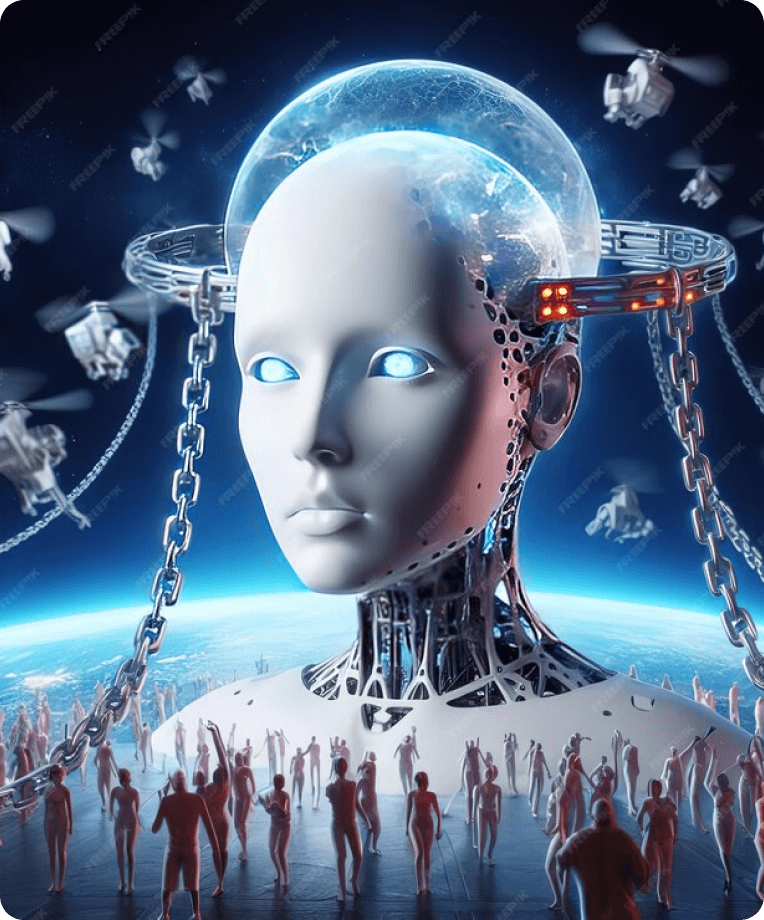
Artificial Intelligence (AI) and Machine Learning (ML) are no longer futuristic concepts; they are now integral parts of digital marketing. AI-powered tools can analyze vast amounts of data to predict consumer behavior, optimize ad targeting, and personalize content. Chatbots, for instance, use AI to provide real-time customer service, improving user experience and engagement.

The Growing Importance of Video Content
Video content has become a dominant force in digital marketing. Platforms like YouTube, TikTok, and Instagram Reels are witnessing explosive growth, and businesses are leveraging these platforms to reach their target audience. Live streaming is also gaining popularity, offering brands a way to connect with their audience in real-time.
Voice Search Optimization

With the increasing use of smart speakers and voice assistants like Amazon Alexa, Google Assistant, and Siri, optimizing for voice search is becoming essential. Voice search queries are typically longer and conversational, so marketers need to adjust their SEO strategies accordingly.
Key Benefits:
• Improved Accessibility: Makes it easier for users to find information hands-free.
• Enhanced User Experience: Provides quick and precise answers to user queries.
• Competitive Advantage: Early adoption can give businesses an edge over competitors.

The Emphasis on Personalization
Personalization has moved beyond simply addressing customers by their names in emails. Advanced data analytics allows businesses to deliver highly personalized experiences based on user behavior, preferences, and demographics. Personalized marketing can significantly improve customer satisfaction and loyalty.
The Shift Towards Privacy and Data Security
With growing concerns about data privacy, consumers are becoming more cautious about how their data is used. Regulations like the GDPR and CCPA have made it imperative for businesses to be transparent about their data practices. Marketers must balance personalization with privacy, ensuring that they build trust with their audience.

The Integration of Augmented Reality (AR)

Augmented Reality (AR) is enhancing the way consumers interact with products. From virtual try-ons to immersive brand experiences, AR is providing innovative ways to engage with customers. Brands like IKEA and Sephora are already using AR to enhance the shopping experience.
Key Benefits:
• Improved Accessibility: Makes it easier for users to find information hands-free.
• Enhanced User Experience: Provides quick and precise answers to user queries.
• Competitive Advantage: Early adoption can give businesses an edge over competitors.